
Let’s be honest. You could serve pasta. You could do a roast. But the moment someone walks into a room where lamb is simmering in a spiced gravy and fresh naan is being pulled from the oven, something special happens. People stop scrolling on their phones. Conversations start. Someone always says, “This smells incredible.” That someone will probably say it twice.
Indian dishes have a natural gift for dinner parties. It was practically designed for them.
Think about what you actually need from a dinner party menu. You need dishes that feed a crowd without too much last-minute chaos. You need options for the person who eats everything and the person who does not eat meat. You need flavours bold enough to impress but familiar enough to make everyone feel comfortable. Indian cuisine delivers all three, without even trying.
It is one of the most communal food cultures in the world. Dishes arrive at the table together rather than one at a time. Everyone reaches across for a bit of this and a bit of that. The bread gets torn and passed around. Someone finds the chutney they did not know they needed. That kind of sharing creates warmth at a table, and warmth is exactly what a good dinner party is made of.
There is also the sheer range. Indian cuisine spans dozens of regions, cooking styles, and flavour profiles. A single menu can move from the smoky richness of a tandoori grill to the gentle creaminess of a korma, from the earthy depth of a slow-cooked dal to the bright tang of a mint chutney. You are not just cooking one meal. You are offering a small journey.
And then there is the question of dietary needs, which, let’s be realistic, every host has to navigate these days. Indian food is genuinely one of the easiest cuisines to build a balanced menu around. Vegetarian dishes are not an afterthought here. They sit at the very centre of the tradition. Lentils, paneer, chickpeas, and vegetable curries have been satisfying people for centuries before “vegetarian option” became a phrase that makes caterers nervous.
The one thing that trips people up is the planning. Scroll through any food forum or Quora thread on the subject, and you will find the same question popping up again and again: “There are so many dishes. Where do I even start?” This guide answers that question. We have broken the menu down into clear, manageable sections, from starters and mains through to rice, breads and everything in between, so you can build a spread that looks impressive, tastes wonderful and does not require you to spend the entire party standing at the hob.
Whether you are planning a relaxed dinner for eight or a full celebration for twenty, the dishes here will give you a solid foundation. And if you would rather leave the cooking to the professionals entirely, we will also point you towards a restaurant that has been getting this right for years.
2. What Do I Serve First? – Starters That Keep Guests Happy on Arrival
Here is something every experienced host knows: the first thirty minutes of a dinner party are chaos. People are arriving at different times. Coats are being sorted. Someone cannot find the bathroom. The oven is still doing its thing. Serving a few appetisers means guests can snack and socialise as they arrive, especially while waiting for everyone to show up. It keeps the energy light and the hunger at bay.
The golden rule for Indian starters is to keep it focused. Two to three appetisers work well – ideally one non-vegetarian option and one or two vegetarian choices – so the table feels generous without becoming overwhelming. Nobody needs nine options before the main course. That is a recipe for full guests and wasted food.
Samosas are the classic opener, and they are classic for good reason. Crispy pastry, spiced potato filling, a pot of green chutney on the side, they disappear fast. Paneer Tikka is another reliable choice and a brilliant one for vegetarian guests who want something with real presence rather than a small bowl of crisps. The marinade does most of the work, and if you prep it the night before, all you need to do is grill them when guests arrive.
If you want to take things up a notch, Chicken 65 is a crowd pleaser with serious staying power. It is crispy, it is punchy, and it tends to generate conversation simply because people keep asking what is in it. Garlic King Prawns do the same job for seafood lovers, bold, aromatic, and substantial enough to feel like a proper start to the evening rather than a nibble.
Salmon Tikka is worth considering if you want something a little more unexpected. The marinade of yoghurt and spices works beautifully with salmon, and it signals to your guests early on that you have put genuine thought into the evening.
Serve your starters with small pots of mint chutney and tamarind sauce. They cost very little effort and add colour to the table. People always appreciate having something to dip into while they chat.
3. What Mains Should I Cook? – The Dishes That Never Let You Down
This is where most people get stuck. The main section of an Indian dinner party menu is where the real decisions live. Do you go rich and bold or keep it approachable? Chicken or lamb? Restaurant style or home-cooked? The answer, in most cases, is some of both.
A. The Tandoori Table – Smoky Showstoppers
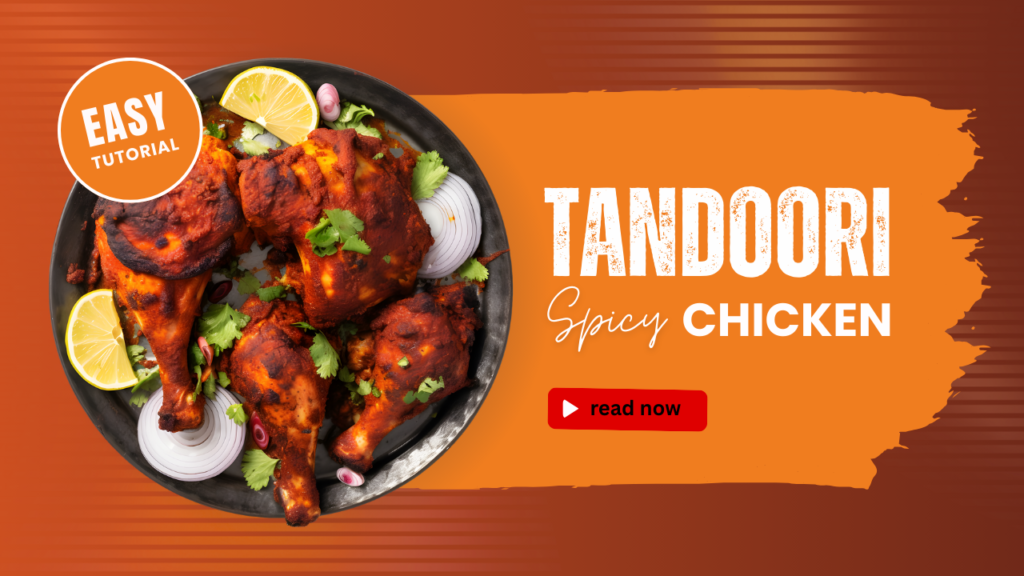
Tandoori dishes earn their place at a dinner party table because they do two jobs at once. They taste brilliant, and they look stunning. A Mixed Grill arriving on a sizzling platter has a way of making the whole table go quiet for a moment, the good kind of quiet.
Lamb Chops from the tandoor are the kind of thing guests remember. The char on the outside, the tenderness inside, the fragrance of the spice rub. They feel special in a way that a slow-cooked curry, delicious as it is, simply does not. Paneer Tikka on skewers works as both a starter and a main course component, and it gives your vegetarian guests something genuinely exciting rather than a token gesture.
If you are cooking at home, a griddle pan or a very hot oven can replicate a lot of what a tandoor does. The key is getting the marinade right and not rushing the heat.
B. Chef’s Specials – When You Want to Impress
There are mains you cook because they are reliable. Then there are mains you cook because you want people to talk about the dinner for weeks afterwards.
Nawabi Lamb Shank falls firmly in the second category. It is slow-cooked, deeply spiced and falling off the bone in a way that feels genuinely luxurious. It is the kind of dish that requires patience but almost no technical skill, because time does most of the work for you.
King Prawn Malabar brings coastal Indian flavours to the table, coconut, curry leaf, and a gentle heat, and it pairs beautifully with plain basmati or a simple pilau. Duck Mango Delight offers something genuinely different. The sweetness of the mango against the richness of the duck is a combination that surprises people in the best way. Serve one of these alongside a more familiar dish, and you give guests the best of both worlds.
C. The Safe Bets – Familiar Favourites Everyone Loves
Every good dinner party menu needs at least one dish that nobody on earth will refuse. Butter Chicken and Chicken Tikka Masala are loved by kids and adults alike, so everyone tends to take a helping or two. There is no shame in putting Butter Chicken on the table. In fact, there is something genuinely generous about it. It is the dish that makes every guest, from the adventurous eater to the cautious one, feel welcome.
Rogan Josh is another dependable choice, warming, deeply spiced, and beautiful with rice or naan. If you want something with a bit of tropical brightness, a Balti-style dish with fruit notes adds colour and contrast to a spread that might otherwise lean heavily towards rich, dark curries.
A good approach is to pair a “wet” dish like Butter Chicken with something “dry” like a tandoori preparation, so the textures and formats on the table offer real variety rather than five different bowls of curry.
4. What About My Vegetarian Guests? – Making Sure No One Feels Like an Afterthought
This is the question that comes up on Quora more than almost any other when people are planning an Indian dinner party. How do you make sure your vegetarian guests eat as well as everyone else?
The good news is that Indian cuisine answers this question better than almost any other. A well-balanced Indian dinner party main course typically includes one chicken or lamb dish, one dal or chickpeas dish, and one paneer or vegetable dish, and that formula naturally means vegetarians are not left staring at a single sad option while everyone else piles their plates.
Paneer is the star of the vegetarian world at an Indian table. Palak Paneer, the classic combination of soft paneer cubes in spiced spinach gravy, is genuinely one of the finest vegetarian dishes on the planet, and it is a dish that even committed meat eaters tend to return to for a second helping. Paneer Jalfrezy brings heat and brightness, with peppers and onions adding texture that makes it feel more like a restaurant experience than a side dish.
Tarka Dal is often underestimated by people who have not had a really good version of it. When it is made properly, with tempered mustard seeds, garlic, and a good amount of ghee, it is deeply comforting and pairs with everything on the table. Channa Masala is another crowd pleaser, hearty, filling, and full of flavour. Aloo Gobhi, the potato and cauliflower classic, is simple but genuinely satisfying, especially when the cauliflower gets a little colour from the pan rather than just steaming to mush.
Dal and lentil dishes are brilliant make-ahead options; they are easy to cook in large quantities and actually taste better the next day as the spices have more time to develop. If you are hosting and want to reduce your workload on the day itself, these are the dishes to make the night before.
5. How Do I Round Out the Spread? – Rice, Breads, and the Bits That Complete the Table
The mains are important. But ask any Indian host, and they will tell you, the table is not really a table until the rice and bread arrive.
A rice dish is a must for an Indian dinner party. Flavoured rice or biryani works far better than plain basmati, which, while perfectly fine, does not quite carry the same sense of occasion. Biryani is worth taking seriously as a centrepiece in its own right. A chicken biryani, fragrant with whole spices and topped with crispy onions, is a dish that holds its own against any of the curries on the table. For a larger group, offering both a meat biryani and a vegetable version means everyone is catered to without any extra fuss.
For breads, naan is the go-to choice for a dinner party because it is soft, slightly smoky, and perfect for scooping up sauce. Garlic naan adds a little more flavour without any extra complexity. Paratha works well if you want something a bit more substantial and layered. Buying good-quality naan from a supermarket or Indian grocer and heating it in the oven saves time on the day, and honestly tastes fine; nobody at your dinner party is going to be checking whether you made the bread by hand.
Do not overlook the supporting cast. Poppadoms served with a selection of chutneys, mint, tamarind, and mango – give guests something to pick at while the food is being brought out, and they add a lovely crunch to the table. A bowl of raita, whether plain yoghurt with cucumber or a spiced boondi version, is essential for cooling things down if anyone underestimates the heat of a jalfrezy.
6. I Don’t Want to Spend the Whole Evening in the Kitchen – How to Plan Ahead Without Stress
The number one mistake people make when hosting an Indian dinner party is treating it like a same-day project. Indian food is, on the whole, very kind to hosts who plan ahead. Most curries, dals, and chutneys genuinely taste better after a night in the fridge. The spices settle in. The flavours deepen. You are not cutting corners, you are cooking smart.
Planning two to three days before the party relieves a lot of stress on the day and gives you a much better chance of actually enjoying the evening. Make a list of every dish. Work out what can be prepped or cooked in advance. Curry bases, marinades, dal, channa masala, all of these can be done the night before and reheated gently before serving.
The most important rule is only to cook dishes you are comfortable with and have made before. This makes the cooking faster and builds genuine confidence on the day. Now is not the time to attempt a new recipe you found online at eleven o’clock the night before the party. Save that experiment for a quiet Tuesday when nobody is watching.
Set your table up well in advance. Label your serving dishes. Know which platter the tandoori goes on and which bowl is for the dal. It sounds fussy, but it saves an enormous amount of confusion when everything is ready at once, and you are trying to find a ladle.
Setting up the food buffet-style makes it much easier to keep track of dishes and replenish them throughout the evening, even if you have seating for everyone. Guests can serve themselves at their own pace, go back for more without feeling awkward, and the table always looks full and generous rather than picked over.
7. Curated Set Menus – Let Someone Else Do the Planning
Sometimes you just want someone to hand you a plan and say: this is what you’re serving, it works, trust us.
That is exactly what a well-designed set menu does. Rather than spending an afternoon trying to balance flavours, manage dietary needs, and work out quantities, you follow a tested combination that has been put together to flow properly from start to finish.
Set Menu 1 is the approachable option. Balanced starters, familiar mains, something for everyone. Good for a mixed group where you are not quite sure of everyone’s preferences yet. Paneer Tikka to start, Butter Chicken and a vegetable curry as mains, biryani and naan to accompany.
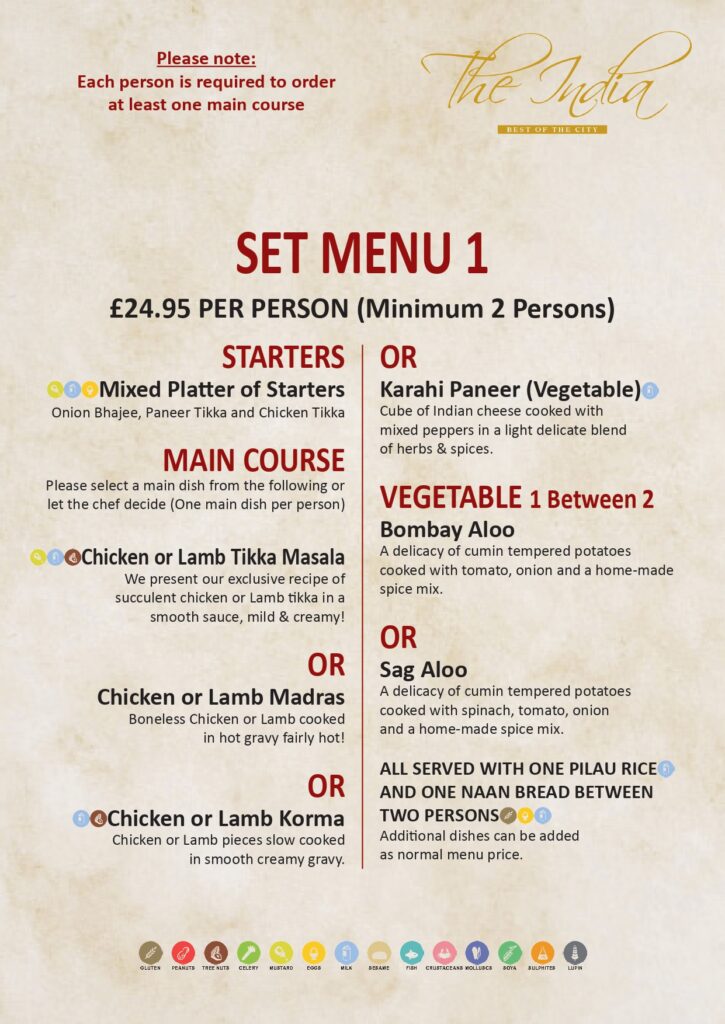
Set Menu 2 expands things. Bigger sharing platters at the start, seafood dishes taking a more prominent role. King Prawn Malabar, alongside a lamb option, with a fuller bread basket and a wider range of chutneys. This one is for a group that is genuinely enthusiastic about food.
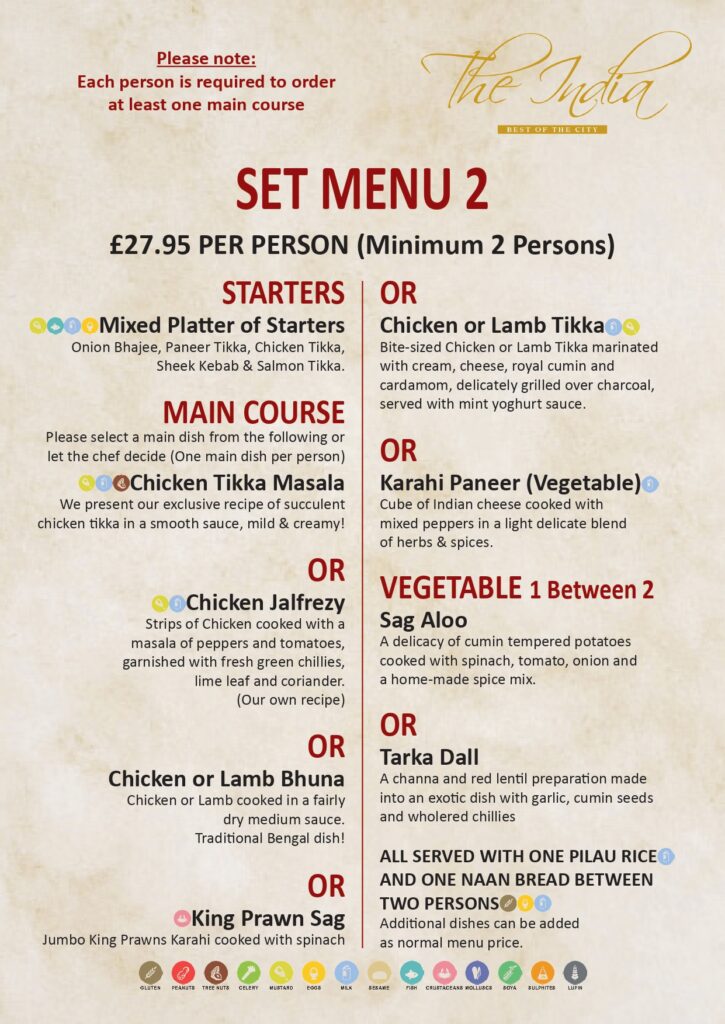
Set Menu 3 is for a special occasion. Nawabi Lamb Shank. King Prawn dishes. Premium ingredients throughout. And dessert, proper Indian dessert, not an afterthought. Gulab jamun, perhaps, or a good mango kulfi. This is the menu you bring out when you want the evening to feel like a real event.
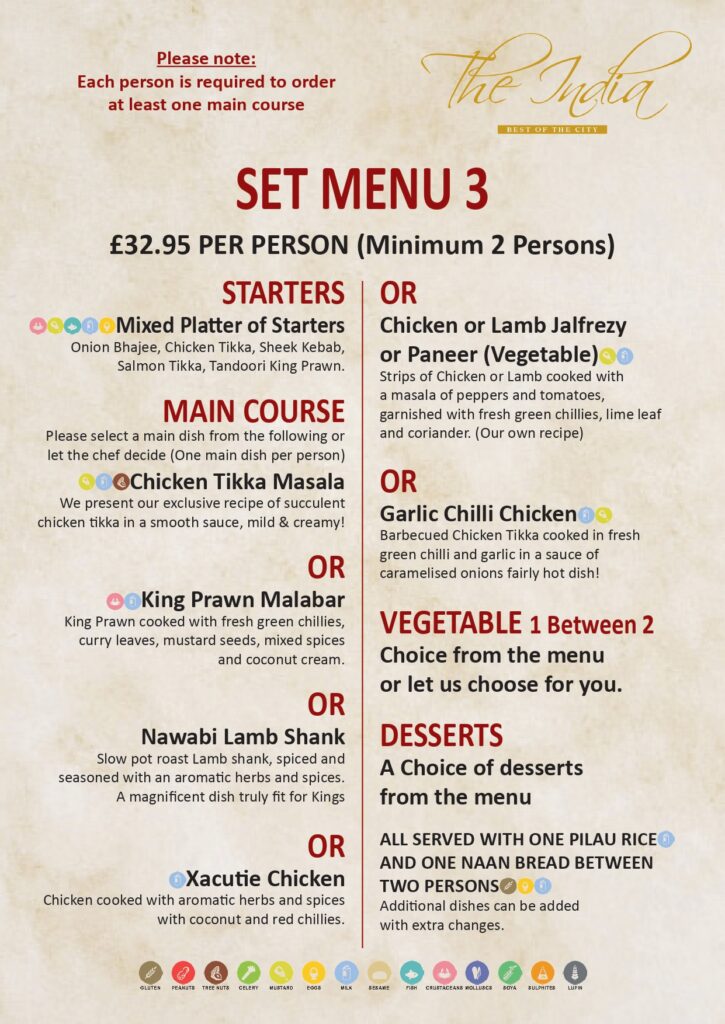
The beauty of a set menu is that the thinking has already been done. The balance of spice levels, the ratio of meat to vegetarian, the pairing of wet and dry dishes, it is all worked out. You just show up and enjoy the evening.
8. Spotlight: The India – Canon Street
If cooking a full Indian spread sounds wonderful, but the logistics of it all are giving you second thoughts, there is a straightforward solution: let the professionals handle it.
The India at Canon Street is one of London’s most trusted destinations for authentic Indian dining, and it is particularly well-suited to dinner parties. The menu covers the full range of Indian cuisine, tandoori classics, chef’s specials, an excellent selection of vegetarian dishes, and a proper bread basket that makes sharing feel natural.
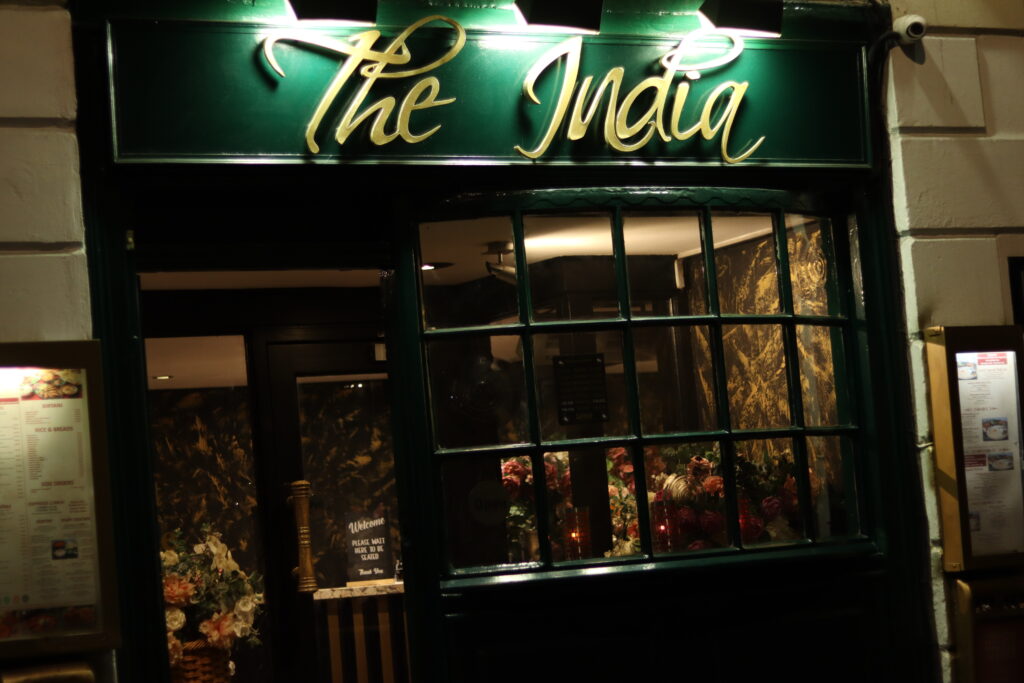
What makes it stand out for groups is the care put into the curated set menus, which are designed exactly for the kind of occasions this article is about. Whether you are organising a business dinner, a celebration, or simply a gathering of people you want to feed very well, the menus offer enough variety to satisfy every guest without anyone feeling like the cuisine was not designed with them in mind.
The restaurant’s approach to Indian food is rooted in tradition but not afraid of ambition. The Nawabi Lamb Shank is as good as anything of its kind in the city. The seafood dishes, particularly the King Prawn preparations, are handled with the kind of confidence that comes from years of doing it properly. And for vegetarians, the paneer dishes are given the same attention as everything else on the menu, which is more than can be said for every Indian restaurant in London.
For a dinner party where you want the experience to feel genuinely special without anyone spending the whole evening in the kitchen, The India at Canon Street is worth the conversation.
9. The Best Dinner Parties Always Have Great Food at the Centre
Indian cuisine is not just a good choice for a dinner party. In many ways, it is the ideal one. It feeds a crowd naturally. It caters to vegetarians without compromise. It offers enough variety that every guest, regardless of their appetite or their tolerance for chilli, will find something they love. And it creates the kind of table where people linger, eat too much, and end up talking about the food long after the plates have been cleared.
The key is not trying to cook everything at once. Pick your dishes. Prep ahead. Stick to what you know. Set up a buffet. Put good chutneys on the table and warm bread within reach. Do these things, and the evening will take care of itself.
Indian food has been bringing people together for thousands of years. Your dinner party is in safe hands.